9 ways to Reduce the Energy Costs of Commercial Refrigeration
Commercial refrigeration can have a significant impact on a business’s energy bills, particularly where fridges, freezers and other equipment operate continuously. Improving commercial refrigeration energy efficiency can help businesses reduce refrigeration running costs while maintaining reliable performance.
From keeping equipment properly maintained to upgrading older systems, there are several practical ways to reduce the amount of energy your refrigeration equipment consumes.
How Much Energy Does Commercial Refrigeration Use?
The amount of energy used by commercial refrigeration varies depending on factors such as the type and size of the equipment, how frequently it is used, its condition and how efficiently it operates.
Refrigeration systems that run continuously can represent a significant proportion of a business’s overall energy consumption. Older or poorly maintained equipment may also require more energy to maintain the required temperature.
Monitoring energy consumption and assessing the condition of your refrigeration equipment can help identify opportunities to reduce running costs. Professional advice can also help determine whether maintenance, changes to operating practices or newer equipment could improve efficiency and support energy efficient commercial refrigeration.
9 Ways to Reduce Refrigeration Energy Consumption
There are several practical steps businesses can take to reduce the energy consumed by commercial refrigeration equipment.
Keep Doors and Seals in Good Condition
Damaged or worn door seals can allow cold air to escape, forcing refrigeration equipment to work harder to maintain the required temperature.
Inspect doors, gaskets and seals regularly and arrange repairs or replacements where necessary. Keeping doors closed when equipment is not being accessed can also help minimise unnecessary energy loss.
Maintain Correct Temperature
Maintaining the correct operating temperature is essential for balancing energy use with food safety requirements.
Overcooling refrigeration equipment can result in unnecessary energy consumption, while temperatures that are too high can compromise stored products. Check temperature settings regularly and ensure thermostats and controls are operating correctly.
Clean Condenser Coils and Ventilation Areas
Condenser coils and ventilation areas can accumulate dust and debris over time. This can restrict airflow and make the refrigeration system work harder.
Keeping these areas clean can help equipment operate more efficiently. Cleaning should be carried out safely and as part of an appropriate maintenance routine.
Avoid Overloading Refrigeration Equipment
Overloading a refrigerator or freezer can restrict airflow and make it more difficult for the equipment to maintain its required temperature.
Allow sufficient space for air to circulate around stored products and avoid exceeding the equipment’s intended capacity.
Arrange Regular Servicing and Preventative Maintenance
Regular commercial refrigeration maintenance and servicing can help identify issues that may be affecting energy efficiency.
Dirty components, damaged seals and developing mechanical faults can all affect how efficiently equipment operates. Preventative maintenance provides an opportunity to identify and address these problems before they result in higher energy consumption or an unexpected breakdown.
Consider Upgrading Older Equipment
Older refrigeration systems may not operate as efficiently as newer models. If equipment is approaching the end of its useful life or requires increasingly frequent repairs, upgrading may provide an opportunity to reduce running costs.
When considering replacement equipment, look at its expected energy consumption alongside its capacity, functionality and suitability for your business.
For businesses considering a new system, commercial refrigeration installation can help ensure equipment is selected and installed appropriately for the intended application.
Choose the Correctly Sized Refrigeration System
Refrigeration equipment should be appropriately sized for the space, products and demands of the business.
Equipment that is too small may have to work harder to maintain the required temperature, while unnecessarily large systems may consume more energy than needed.
A professional assessment can help businesses identify the appropriate capacity and configuration for their requirements.
Use Efficient Defrosting
Excessive frost can affect the performance of refrigeration equipment and increase energy consumption. Modern systems may include automatic or demand-based defrosting features that activate when required.
Where equipment has a defrost function, ensure it is operating correctly and that excessive frost or ice is investigated rather than simply allowing it to build up.
Manage How Equipment Is Loaded and Used
How refrigeration equipment is used throughout the day can also affect energy consumption. Avoid leaving doors open unnecessarily and arrange products so that air can circulate effectively.
Consider how frequently equipment is accessed and whether operating practices can be adjusted to minimise the amount of cold air lost during normal use.
When Can Upgrading Equipment Reduce Running Costs?
Upgrading commercial refrigeration can be worth considering where existing equipment is old, inefficient or regularly requiring repairs.
Modern refrigeration systems can incorporate technologies designed to improve efficiency and reduce energy consumption. However, the potential benefits of an upgrade depend on factors including the existing equipment, how frequently it is used, and the requirements of the business.
A professional assessment can help determine whether maintaining existing equipment or investing in a new system is the more appropriate approach.
Why Correctly Sized Refrigeration Systems Matter
Selecting the right refrigeration capacity is important for both performance and energy efficiency. The system should be capable of meeting the demands placed on it without being unnecessarily oversized.
Factors such as available space, the type and quantity of products being stored, and how frequently the equipment is accessed should all be considered when selecting a system.
Businesses planning a new refrigeration system can speak to Welch Refrigeration about their requirements and explore the available commercial refrigeration solutions.
Frequently Asked Questions
How can I reduce the energy consumption of commercial refrigeration?
Start by checking door seals, maintaining correct temperatures, cleaning condenser coils and ventilation areas, avoiding overloading and arranging regular servicing. It may also be worth assessing whether older equipment or an incorrectly sized system is increasing energy consumption.
Does commercial refrigeration use a lot of energy?
Commercial refrigeration can represent a significant energy demand because equipment often operates continuously. Actual consumption varies depending on the type, size, age, condition and usage of the equipment.
Can servicing reduce refrigeration energy costs?
Regular servicing can identify issues that may cause equipment to operate inefficiently, such as dirty components, damaged seals or developing faults. Addressing these issues can help equipment operate more efficiently.
Does replacing old refrigeration equipment save energy?
Replacing older equipment can provide an opportunity to improve energy efficiency, particularly where existing systems are inefficient or require frequent repairs. The potential savings will depend on the existing equipment and the replacement system selected.
Why is refrigeration system size important?
A correctly sized system should provide the required cooling capacity without being unnecessarily large. Choosing appropriate equipment can help balance performance and energy consumption.
How often should commercial refrigeration be maintained?
The appropriate maintenance schedule depends on factors such as the type of equipment, how heavily it is used and the operating requirements of the business. A professional refrigeration engineer can advise on an appropriate maintenance plan.
Speak to Welch Refrigeration About Reducing Energy Costs
Improving the efficiency of commercial refrigeration can help businesses manage running costs while maintaining reliable equipment performance. Measures that support commercial fridge energy saving and commercial freezer energy efficiency, such as maintaining door seals, keeping condenser coils clean, and avoiding overloading can make a difference, while servicing, correctly sized systems, and equipment upgrades can provide longer-term improvements.
If you are concerned about your refrigeration running costs or want to assess the efficiency of your existing equipment, speak to Welch Refrigeration. The team can provide advice, refrigeration servicing and maintenance, and support with your new commercial refrigeration installation.
Contact Welch Refrigeration to discuss your requirements or arrange a refrigeration system assessment.
Why Regular Commercial Refrigeration Servicing Matters
Maintaining your commercial refrigeration equipment is crucial for keeping your business running smoothly and reducing the risk of unexpected costs. Regular commercial refrigeration maintenance, including commercial fridge maintenance and commercial freezer maintenance, can help prevent breakdowns, minimise food waste and extend the lifespan of your equipment.
For pubs, restaurants, hotels, caterers, retailers and other food businesses, refrigeration equipment plays an essential role in maintaining product quality and food safety. A planned maintenance schedule allows potential issues to be identified before they develop into more serious problems.
How Often Should Commercial Refrigeration Be Serviced?
Commercial refrigeration equipment should be serviced regularly, with the appropriate frequency depending on factors such as the type of equipment, how heavily it is used and the requirements of the business.
Rather than waiting for a fault to occur, businesses should have a preventative maintenance plan in place with servicing carried out at intervals appropriate for their equipment and operating requirements. Your refrigeration engineer can recommend a suitable servicing schedule based on the condition and usage of your systems.
Regular servicing is particularly important for equipment operating continuously or in busy commercial environments. Routine checks can identify developing faults, worn components and efficiency issues before they result in an unexpected breakdown.
For more information about keeping your equipment maintained, see our commercial refrigeration servicing and maintenance services.
Signs Your Refrigeration Equipment Needs Servicing
In addition to following a planned maintenance schedule, businesses should be aware of signs that their refrigeration equipment may require attention.
Temperature Fluctuations
One of the clearest signs that equipment may require refrigeration servicing is difficulty maintaining the correct temperature. Regular temperature checks can help identify inconsistencies before they affect stored products.
If temperatures begin to fluctuate or the equipment takes longer than usual to reach its set temperature, professional inspection may be required.
These issues can be caused by faulty thermostats, damaged door seals, restricted airflow or problems with the refrigeration system. Checking that doors close properly and vents remain unobstructed can help identify simple issues, but persistent temperature changes should be investigated by a qualified refrigeration engineer.
Unusual Noises
Commercial refrigeration equipment should operate without excessive or unusual noise. Banging, clanking, hissing or other unfamiliar sounds can indicate mechanical problems or component wear.
Investigating unusual noises promptly can help prevent a relatively minor issue from developing into a more significant fault.
Excessive Frost or Ice Build-Up
Some frost may be expected depending on the equipment, but excessive ice build-up can indicate an issue with ventilation, the defrost system or another component.
This can affect the efficiency and performance of the equipment, making regular inspection and maintenance important.
Leaks and Moisture
Water leaks or excessive moisture around refrigeration equipment may indicate issues with seals, gaskets or drainage systems.
These problems can affect equipment performance and may also create hygiene or safety concerns, so they should be investigated promptly.
Increased Energy Bills
An unexpected increase in energy consumption may indicate that refrigeration equipment is no longer operating efficiently. Components affected by wear, dirt or faults may have to work harder to maintain the required temperature.
Professional servicing can help identify potential causes of reduced efficiency.
Declining Performance
If refrigeration equipment is taking longer to cool, struggling to maintain temperature or generally performing differently from normal, it may require professional attention.
Issues can be caused by factors such as dirty coils, component faults or refrigerant problems, making professional diagnosis important.
What Is Included in a Commercial Refrigeration Service?
The exact checks carried out during a commercial refrigeration service will depend on the equipment and its condition. However, professional servicing can involve inspecting key components and assessing the overall performance of the system.
This may include checking temperatures, examining components for signs of wear, inspecting seals and gaskets, checking condenser coils and assessing whether the equipment is operating efficiently.
A professional engineer can also identify developing problems that may not be obvious during normal day-to-day use. Addressing these issues as part of preventative maintenance can reduce the likelihood of unexpected equipment failure.
Businesses can find out more about commercial refrigeration maintenance and servicing and the support available for their equipment.
Benefits of Preventative Maintenance
Regular preventative maintenance provides several benefits for businesses that rely on commercial refrigeration.
Reduced Risk of Breakdowns
Routine servicing can help identify faults before they develop into major equipment failures. This reduces the likelihood of an unexpected breakdown disrupting normal business operations.
Less Food Waste
A refrigeration failure can put stored food and other temperature-sensitive products at risk. Keeping equipment properly maintained helps businesses reduce the risk of avoidable food waste caused by equipment failure.
Improved Efficiency
Well-maintained refrigeration equipment can operate more efficiently than equipment affected by faults, dirt or worn components. Identifying these issues during servicing can help businesses manage unnecessary energy consumption.
Longer Equipment Lifespan
Regular maintenance can help keep refrigeration equipment operating properly and identify worn components that may require attention. This can support the long-term performance of the equipment and potentially delay the need for replacement.
More Predictable Costs
Preventative maintenance allows businesses to identify and address issues before they become larger problems. This can make refrigeration costs more predictable than relying solely on reactive repairs following a breakdown.
What Can Happen If Refrigeration Isn’t Maintained?
Neglecting commercial refrigeration maintenance can increase the risk of equipment failure and operational disruption.
A fault may cause temperatures to rise, potentially affecting food quality and resulting in stock being wasted. Unexpected breakdowns can also require urgent commercial refrigeration repairs and leave businesses without essential refrigeration while the problem is resolved.
Poorly maintained equipment may also operate less efficiently, potentially increasing energy consumption and putting additional strain on components.
Regular maintenance provides an opportunity to identify these issues earlier and arrange appropriate repairs before they have a greater impact on the business.
When to Repair vs Replace Commercial Refrigeration
When refrigeration equipment develops a fault, the most appropriate solution will depend on factors such as the nature of the problem, the condition of the equipment and its overall performance.
A repair may be appropriate when the issue can be resolved effectively and the equipment remains in suitable condition. However, replacement may need to be considered where equipment is repeatedly developing faults, has significantly deteriorated or is no longer suitable for the business’s requirements.
A professional refrigeration engineer can assess the equipment and help determine whether repair or replacement is the more appropriate option. Where required, commercial refrigeration repairs can address faults and help restore equipment to normal operation.
Why Choose a Professional Refrigeration Engineer?
Commercial refrigeration equipment is an important part of many businesses, so maintenance and repairs should be carried out by suitably qualified professionals.
An experienced refrigeration engineer can inspect equipment, identify potential faults and recommend appropriate maintenance or repair work based on the condition of the system.
Professional servicing also provides businesses with a more structured approach to preventative maintenance, helping them avoid relying solely on reactive repairs when something goes wrong.
Welch Refrigeration provides commercial refrigeration servicing and maintenance for businesses that rely on dependable refrigeration equipment. Contact Welch Refrigeration to discuss your requirements or arrange a service.
Frequently Asked Questions
How often should commercial refrigeration equipment be serviced?
Commercial refrigeration equipment should be serviced regularly, with the appropriate frequency depending on the type of equipment, its usage and the requirements of the business. A professional refrigeration engineer can recommend a suitable maintenance schedule.
What are the signs that commercial refrigeration needs servicing?
Common signs include temperature fluctuations, unusual noises, excessive frost or ice, leaks, increased energy consumption and declining performance. These issues should be investigated rather than waiting for the equipment to fail.
Can regular refrigeration maintenance reduce breakdowns?
Regular preventative maintenance can help identify developing faults and worn components before they cause a more serious equipment failure. This can reduce the risk of unexpected breakdowns and disruption.
Can refrigeration maintenance help reduce food waste?
Yes. Maintaining refrigeration equipment can reduce the risk of temperature-related equipment failures that may cause food and other temperature-sensitive products to become unsuitable for use.
Should commercial refrigeration be repaired or replaced?
This depends on the condition of the equipment and the nature of the fault. A professional refrigeration engineer can assess the system and advise whether repair or replacement is appropriate.
Arrange Commercial Refrigeration Servicing With Welch Refrigeration
Regular commercial refrigeration maintenance can help businesses reduce the risk of unexpected breakdowns, protect temperature-sensitive stock and keep essential equipment operating effectively.
If you need commercial refrigeration servicing or want to establish a preventative maintenance plan, Welch Refrigeration can assess your requirements and provide appropriate support.
Contact Welch Refrigeration to discuss your commercial refrigeration maintenance needs or arrange a service.
Walk-In Chiller vs Walk-In Freezer
Selecting the right cold storage solution is crucial for your business operations. Whether you manage a restaurant, a hotel, or any business requiring large-scale chilled or frozen storage, understanding the differences between a walk in chiller vs walk in freezer can significantly impact your efficiency and product quality.
In today’s competitive market, efficient and reliable cold storage is essential. A walk-in chiller provides a controlled environment to store perishable goods at optimal temperatures, ensuring freshness and extending shelf life. On the other hand, a walk-in freezer offers the ability to store products at sub-zero temperatures, preserving them for longer periods. Both solutions have unique benefits and are tailored to meet specific business needs. Understanding these differences will help you make an informed choice, ensuring your products remain in perfect condition and your operations run smoothly.
Walk-In Chiller vs Walk-In Freezer: Key Features to Consider
When deciding between a walk-in chiller and a walk-in freezer, it is essential to focus on several critical aspects that will impact your business operations. Below are the primary factors:
Temperature Requirements
The fundamental difference lies in the temperatures they maintain. Walk-in chillers are designed to keep temperatures between 0°C and 5°C, making them ideal for storing perishable goods like fresh produce, dairy, and beverages. On the other hand, walk-in freezers operate at much lower temperatures, typically around -18°C to -22°C, suitable for preserving frozen foods such as meats, fish, and long-term storage items.
Storage Needs and Capacity
Evaluate the volume and type of products you need to store. A walk-in chiller is perfect for items that require consistent, cool temperatures but do not need to be frozen. In contrast, a walk-in freezer is necessary for items that must remain frozen to maintain their quality and safety. Both options come in various sizes to meet different storage demands, so assess the range of products you handle regularly.
Energy Efficiency
Energy consumption is a significant factor in the long-term cost of operating a walk-in cold room. Walk-in chillers generally consume less energy than walk-in freezers due to the higher operating temperatures. However, modern advancements in insulation and refrigeration technology have made both options more energy-efficient. Look for units with high energy ratings and advanced control systems to minimise operational costs.
Installation and Space
The installation process and space requirements can differ between a walk-in chiller and a walk-in freezer. Ensure you have the necessary room to accommodate the cold storage solution you choose. Professional cold room installation services can help you optimise the available space and ensure compliance with health and safety regulations.
Durability and Maintenance
Both walk-in chillers and freezers need regular maintenance to operate efficiently and prolong their lifespan. Choose units that offer easy access to components for routine checks and repairs. High-quality materials and robust construction should be a priority to withstand the demands of commercial use.
Compliance and Regulations
Ensure that the walk-in chiller or freezer you select meets industry standards and regulations for food safety and storage. Compliance with these standards is vital to avoid penalties and ensure the safety of your products.
By carefully weighing these factors, you can make an informed decision that best suits your business needs, ensuring optimal performance and reliability from your cold storage solution.
|
Feature
|
Walk-In Chiller
|
Walk-In Freezer
|
|
Temperature range
|
Typically 0°C to 5°C
|
Typically -18°C to -22°C
|
|
Typical use
|
Fresh produce, dairy, beverages and other chilled goods
|
Frozen foods, meat, fish and long-term frozen storage
|
|
Energy consumption
|
Generally lower due to higher operating temperatures
|
Generally higher due to lower operating temperatures
|
|
Typical businesses
|
Restaurants, hotels, cafés, supermarkets and catering businesses
|
Food producers, wholesalers, restaurants, supermarkets and catering businesses
|
|
Primary purpose
|
Keeps products chilled and fresh
|
Keeps products frozen for longer-term storage
|
Choosing the Right Refrigeration Solution
Understanding the distinctions between a walk-in chiller and a walk-in freezer is crucial for making an informed decision about your commercial refrigeration storage needs. A walk-in chiller is ideal for businesses requiring large-scale chilled storage, such as restaurants and hotels, where maintaining fresh produce at optimal temperatures is essential. On the other hand, a walk-in freezer is suited for establishments needing to store frozen goods for extended periods, such as food producers and wholesalers.
Evaluating your specific requirements will help determine the best solution. Assess the types of products you need to store, the volume of storage required, and the frequency of access. Each option offers unique advantages: walk-in chillers provide easy access to fresh ingredients, while walk-in freezers ensure long-term preservation of frozen items. By weighing these factors, you can select the refrigeration system that aligns with your operational demands and ensures the highest standards of quality and safety for your products.
Can You Have Both a Walk-In Chiller and Freezer?
Yes. Many businesses can benefit from having both a walk-in chiller and a walk-in freezer, particularly when they handle a combination of fresh and frozen products.
A walk-in chiller provides suitable storage for fresh ingredients, dairy, drinks and other chilled goods, while a walk-in freezer allows frozen products to be stored at sub-zero temperatures for longer periods. Having separate storage areas also helps maintain the correct temperature for each type of product and can make stock management more efficient.
For businesses with varied storage requirements, installing both systems can provide greater flexibility and ensure products are kept in the appropriate conditions. The right combination will depend on the types and volume of products you store, your available space and your operational requirements.
Get in Touch
Selecting the correct commercial cold room for your business is crucial for ensuring optimal storage conditions and operational efficiency. Once you have identified whether a walk-in chiller or walk-in freezer best meets your needs, the next step is to focus on professional cold room installation. Proper installation is fundamental to achieving the desired performance and longevity of your unit.
Welch Refrigeration provides a comprehensive service, from initial consultation to the final handover, ensuring that your cold room is installed to the highest standards. Our experienced team is dedicated to delivering a reliable solution tailored to your specific requirements, guaranteeing integration into your existing operations.
To explore your options further and receive expert advice on the best cold storage solution for your business, contact Welch Refrigeration today. Our team is ready to assist you in designing and installing the ideal cold room to support your operational success. Reach out to us now to get started.
FAQs
What temperature does a walk-in chiller operate at?
Walk-in chillers typically maintain temperatures between 0°C and 5°C, making them suitable for storing fresh produce, dairy products, beverages and other chilled goods.
What temperature does a walk-in freezer operate at?
Walk-in freezers generally operate at around -18°C to -22°C. These lower temperatures are designed to keep frozen products such as meat, fish and prepared foods frozen for longer-term storage.
Is a walk-in chiller more energy efficient than a walk-in freezer?
Generally, yes. Walk-in chillers usually consume less energy because they operate at higher temperatures than freezers. However, insulation, refrigeration equipment, usage and maintenance can all affect the overall energy consumption of a cold room.
How do I choose between a walk-in chiller and freezer?
Consider the products you need to store, the required storage temperature, available space, storage capacity and how frequently the room will be accessed. Chillers are suited to products that need to remain cold without freezing, while freezers are designed for long-term frozen storage.
Can a walk-in chiller or freezer be designed around my available space?
Yes. Commercial cold rooms can be designed in different sizes and configurations to suit your premises and storage requirements. Professional planning and installation can help ensure the system makes effective use of the available space.
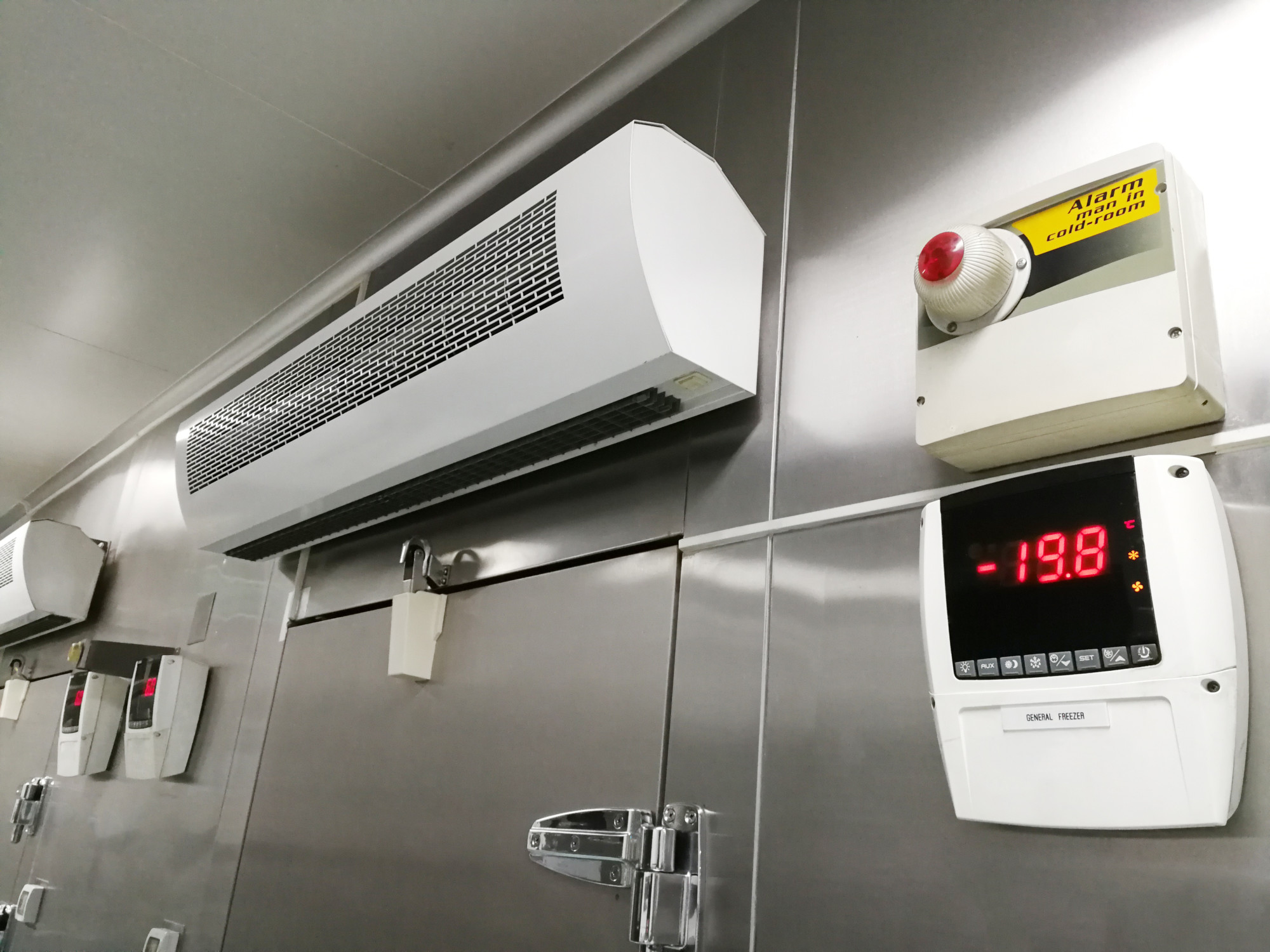
When it comes to running a restaurant, maintaining the highest level of food hygiene is vital. While first rate hygiene is crucial in keeping food free of germs, so too is correct cold food storage. Proper storage of cold foods not only guards against customers becoming ill, but also reduces costs and saves time. In addition, it helps ensure you serve only the best quality and tastiest foods possible for your customers. Therefore, here are the steps you should take to ensure proper cold food storage in your restaurant.
Accepting Products for Cold Food Storage
Firstly, you should always keep raw food orders separate from orders for ready to eat foods. This will help reduce the risk of cross contamination. Make sure that the supplier you purchase from is reliable and transports foods at appropriate temperatures to preserve hygienic conditions. Unload food in a hygienic area and check all items for any damages, mould, or expired use by dates. Make sure to keep all important information, such as use by dates, with the packaging if you remove it.
How to Store Chilled Foods
You can safely store ambient foods such as tinned and jar-based products at room temperature; however, chilled and pre-frozen foods need the right cold storage temperatures. In much of the UK you must store chilled food at 8°C or below, so you should set your cold food storage fridge to around 5°C. Do not keep chilled food outside of the fridge for more than a few hours otherwise you will need to dispose of it. Keep raw foods and ready to eat foods separate; otherwise, store ready to eat food above raw food, with raw meat kept below raw fruit and vegetables. Once you have opened any packages, make sure you wrap the food up and label it with the correct use by or best before date.
How To Store Pre Frozen Foods
You need to store pre frozen foods such as ice cream and frozen chips in your cold food storage freezer as soon as they arrive. You should set your freezer at -18°C or lower to ensure bacteria does not grow. Although you can keep items frozen indefinitely, you should still use them before the best before date to ensure the best quality. Keep in mind that it is illegal to sell foods past their use by date; foods past their best before date may still be used but their quality will be reduced. You can preserve certain foods, such as meats, for longer by freezing them, so long as they are consumed within a day of full defrosting.
Welch Refrigeration
Here at Welch Refrigeration we provide efficient and reliable cold food storage services for commercial industries. We provide expert repair and maintenance services with 24/7 emergency call out to ensure your fridge is back up and running quickly. To find out more about our commercial refrigeration services we invite you to get in touch with us today.
The development of refrigeration, along with the freezer and blast chiller, has changed the face of the food industry. There was a time when caterers and food suppliers were entirely bound by the seasons. At certain times of the year, many products were simply unavailable. That’s no longer the case, of course, but the use of rapid chilling has taken things to another level.
Here at Welch Refrigeration Services we’ve been working in the field of industrial refrigeration since 1998. We build strong relationships with our customers, backed up by our highly experienced team. In this article we’ll explore the many benefits which can be gained from the technique of rapid chilling.
What is rapid chilling?
The common practice of freezing food at home is a surprisingly slow process, often taking up to 24 hours. This slow freezing method transforms the water in the food into large ice crystals. Because of their size, the crystals can perforate the food’s cellular structure. This in turn can have an adverse effect on the quality of the product.
As the name suggests, rapid chilling is a freezing process that takes place much more quickly. Because the water in the food freezes more rapidly, the crystals it forms are a lot finer. This allows the food to retain much more of its original quality when defrosted. The best way to freeze food rapidly in this way is to use a blast chiller.
The benefits of using a blast chiller
Freshness
These specialist freezers are equipped with cold air blowers to freeze the contents quickly. Food that’s frozen in this kind of unit retains its natural properties for much longer. It tastes better, smells better and keeps far more of its nutritional value than slow-frozen food.
Food safety
Issues related to food safety can be extremely costly for businesses in the catering industry. It can be a blow to a company’s reputation as well as its profit. Rapid chilling gives bacteria much less time to grow, and significantly reduces the risk of contamination.
Lower costs
If food is frozen and stored properly, your business will be able to run more efficiently. Planning and preparation can be carried out in advance, allowing for a far smoother operation. The good news is, an efficient business is a lot more cost-effective to run.
Preserving taste
Using a blast chiller allows catering businesses to provide seasonal dishes all year round. Because of the way the food is frozen there is no loss of flavour or freshness. Restaurants can adapt their menu to suit their customers’ tastes, giving them a competitive advantage.
Flexibility
The speed of freezing offers businesses far more flexibility. Dishes can be prepared well in advance, and then safely frozen in a blast chiller. The dishes can then be used as and when needed.
Keep your produce fresh with a blast freezer. Why not speak to our expert team today to discuss the best options for your business?
Is it better to buy fridge spares and repair existing units than to invest in new equipment? In truth, the answer to that depends on a number of things. Where refrigeration is a key part of your operation, it’s hugely important to keep it operating efficiently. But there are cost-effective ways to do that, which are well worth considering.
Since 1998, Welch Refrigeration Services has been helping its range of commercial customers keep their refrigeration running smoothly. Our strong relationship with our clients matches the skills and experience of our qualified team. So, here are some tips on maintaining refrigeration equipment using fridge spares and replacement parts.
Repair or replace?
Using refrigeration parts to repair your equipment is obviously cheaper than replacing it. But repair can sometimes be a false economy, especially if breakdowns start to become more frequent. However, as new refrigeration equipment can involve a significant outlay, it’s important to make a proper assessment. The following are things you need to consider when deciding whether to repair or replace.
Consistent temperature
When a fridge isn’t working efficiently it can be hard to keep it at a consistent temperature. Within commercial premises this can be damaging and costly. But, a number of things can affect temperature; for example, blocked circulation vents and faulty seals. Make sure you check all the possible causes before deciding to invest in new equipment.
Power consumption
If a fridge is using more power than it should be, it could be a sign that it needs replacing. On the other hand, it could simply be a component that isn’t working properly. A qualified engineer should be able to identify the problem, and offer advice on the feasibility and cost of repair. That could save you the price of a new refrigeration unit.
Repair cost
If repairing something will be more than half the cost of a new one, a straight replacement is generally recommended. However, it’s worth taking into account that fridge spares are relatively inexpensive. That means for specialised commercial equipment that isn’t very old, repair could still be by far the cheapest option.
Regular maintenance
The best way to keep refrigeration equipment running efficiently is regular maintenance. It also helps to slow the deterioration of components, meaning your equipment will last longer. With a replacement part, the unit should continue to operate reliably. For fridges that have been well maintained, repair is a much more cost-effective solution than replacement.
Age of the equipment
A key factor in the question of repair or replace is the age of the equipment. For systems that are relatively new, fridge spares are undoubtedly the best option financially. However, equipment that’s over 10 years old could continue to deteriorate, and as a general rule should be replaced.
Here at Welch Refrigeration we can offer complete spares packages for every aspect of refrigeration. We can also offer advice on highly cost-effective ways to keep your equipment running efficiently. So, why not contact us today?
There are many businesses which need efficient cellar cooling systems in order to keep their products fresh. However, it can be a bit tricky to determine which one is the most suited for your needs. This is why it is a good idea to take a look at some of the concepts behind cellar cooling systems before you go ahead and purchase. The good news is that Welch Refrigeration is always here to help.
What is a Cellar Cooling System?
Most businesses which need efficient cellar cooling are involved in the wine, beer or hospitality industries. These systems will help to make sure that the environment is kept at the right temperature and humidity level at all times. Cigar manufacturers and furriers could also benefit from the presence of these cooling units.
What are the Different Types of Cooling Systems?
Cellar coolers can be broken down into a handful of categories:
- Self-contained systems
- Split systems
- Ducted systems
Self-contained systems
As the term suggests, self-contained systems are standalone units which can be easily mounted within wine cellars and large storage cabinets. These tend to be the cheapest versions, so they could be ideal if you are on a budget.
Split systems
Split systems consist of a separate evaporator and compressor. These are used by those who are looking to keep heat and noise out of nearby living or working spaces. Also, split systems offer more flexibility in terms of where they can be installed. Ceiling, wall or rack-mounted options are available.
Ducted systems
Ducted systems are a good idea if the cooler needs to be placed in a separate area from the cellar. For instance, maybe the unit is located on the outside of your property. Ductwork will then be used to provide a necessary supply of air to the environment.
Considerations when Choosing Your Cellar Cooler
With such a wide variety of cellar cooling systems available, it can be difficult to make an informed decision. So, to help, here are some of the most common things to consider:
- Will the unit cool a wine cabinet or an entire room?
- How large (in terms of cubic feet or metres) is the cellar?
- Is nearby insulation up-to-date or well-maintained?
- What ambient temperature needs to be maintained?
- Where will the exhaust from the unit be channelled to?
The team at Welch Refrigeration will help you to answer these questions, and any other concerns.
Installation and Maintenance Tips
To avoid any issues before installation, it is first essential that the room is properly insulated and ventilated. Also, keep in mind that each of the systems outlined above will need to be installed in a slightly different way. Above all, common maintenance suggestions include keeping all filters clear, monitoring for excessive levels of condensation and examining the unit for signs of leaks on a regular basis.
If you want to learn more about your options or to find out more about our line of bespoke cellar cooling systems, please contact the professionals at Welch Refrigeration today.
For businesses that store or prepare products for sale, a commercial fridge can be one of the most important investments. The job of commercial refrigeration equipment is to help the business function more efficiently and safely. But, even high-quality equipment can easily break down and fail if it isn’t well maintained.
Established in 1998, Welch Refrigeration Services is a family-run business. We specialise in the installation, maintenance and repair of commercial refrigeration systems throughout Suffolk and beyond. We’re committed to keeping our clients happy; offering them knowledge, expertise and comprehensive customer care. Read on to find out why it’s so important to maintain your commercial refrigeration system.
Poor maintenance can be costly
A commercial fridge is not simply a big ice box. In fact, commercial refrigeration comes in many forms, from walk in freezers to display cases. For many businesses, their refrigeration system is linked to sales and profit. That’s why break downs and failures can cost you dearly.
A commercial system failure would not only mean lost business, but also lost product. On top of that, you’ll need to pay for repairs and maybe replacement parts. For a restaurant or food processing company, the damage to the business could be major.
Not maintaining your equipment will also affect how well it runs. If it has to work harder to maintain the correct temperature, you could see a rise in energy costs. And if there happens to be a health inspection, a lower grade could damage your reputation. That could be costly, too.
Looking after your equipment
There are a few things you can do to keep your commercial fridge or freezer system running more smoothly. One important point is to inspect it regularly. If the motor is constantly running or there is a build up of frost, this could be a sign that there’s a problem.
Equipment that’s clean is often more efficient. You should clean both inside and outside, paying particular attention to the door seals. Use soap and hot water rather than chemicals, but turn off the power before cleaning any electrical parts.
A commercial fridge should not be placed in direct sunlight, as it may have to work harder to keep cool. Make sure there’s enough airflow around your refrigeration system by removing items that could interrupt it.
The benefits of regular professional maintenance
There’s no doubt that the best way to keep your equipment running smoothly is to leave it to the experts. In other words, if you have it maintained and serviced regularly, there is a lot less risk of costly break downs. It will also work more efficiently and cost less to run long-term.
For any business, the safety of customers is a crucial consideration. So, knowing that your refrigeration system is working as it should can offer peace of mind. Thorough cleaning is also carried out where needed as part of professional maintenance services.
A commercial refrigeration system isn’t cheap, and for many businesses it is costly. Regular professional maintenance will keep appliances running efficiently for longer, protecting your investment.
Choose the experienced team at Welch Refrigeration to keep your equipment running smoothly. Don’t hesitate to get in touch with us today.
If you have been faced with the aftermath of eqipment failure in the past, then you will know how vital it is to keep your HVAC systems running. If your heating or cooling unit fails it can prove catastrophic for your business. In addition, this can end up costing you a lot of money. That is why it is vital that you have regular servicing and maintenance to help prevent equipment failure. So, what kind of things can go wrong in an HVAC system, and how will regular servicing and maintenance help?
Common HVAC Problems
These are the most common problems that can lead to equipment failure:
1. Dirty Filters
If you do not thoroughly clean or replace filters regularly, they can gather dirt that will restrict air flow. This can put too much strain on the unit.
2. Faulty Thermostat
Your thermostat may stop working correctly or display incorrect readings. A common symptom of a faulty thermostat is when the fan continues to run, even after switching off your HVAC unit.
3. Wear and Tear
Many mechanical parts will break down after heavy use. This can lead to either too much or too little heat being produced, as well as airflow issues.
4. Strange Noises
If you start to hear noises while running the unit that do not sound normal, then it may indicate a mechanical problem. It is best to treat these sounds as if they are a warning.
5. Tripped Circuit Breakers
If your unit is working too hard, then it can trip the circuit breaker and blow a fuse.
6. Dirty Coils
If dirt clogs the evaporator coils it reduces the unit’s efficiency and causes it to wear down faster.
7. Fluid Leaks
If drain lines become clogged or broken they may start leaking water and other fluids.
8. Faulty Fan Motors
The fan motor is one of the hardest working parts in an HVAC system. It is important that motor bearings are regularly oiled, electrical connections are checked, and any debris is removed from your system. Without regular maintenance, your fan motor could fail.
9. Faulty Water Pumps
One of the most common signs of water pump failure is a leak. Wear and tear on the water pump seals and bearings can result in coolant leaks, which can lead to pump failure if not seen to quickly.
10. Refrigerant Leaks
If the air coming from your HVAC system is not as cold as it should be, this can be a sign of a refrigerant leak. The usual cause of refrigerant leaks are holes or cracks in the coils that circulate the refrigerant around your system.
The Importance of HVAC Maintenance
In order to reduce the probability of issues occurring in the first place, it is vital that you schedule regular servicing and maintenance for your HVAC unit. Having your unit serviced at least twice a year will help you save not only on costs spent repairing it in the long term, but losses occurring through downtime. When choosing a company to service your unit, make sure they are experienced enough to conduct a thorough inspection of your equipment. Check online to see how previous clients have reviewed them and see if the rates they charge are fair. Ultimately, the company you choose should be able to guarantee the quality of their work in straightforward language that you can understand.
How Welch Refrigeration Can Help
At Welch Refrigeration, we provide a wide range of installation and maintenance services for clients in Suffolk and beyond. To keep your HVAC unit running at its best, we offer bespoke maintenance services, priced individually based on your requirements. We are available 24/7 for emergency call-outs, and can carry out maintenance visits between 8am and 5pm, Monday to Friday. To find out more about our selection of air conditioning services and more, visit us online or speak with our friendly team via phone. To keep your unit running smoothly, contact Welch Refrigeration for quality planned preventative maintenance services.
A wine collection can be just as valuable for its geographical variety as for its taste. But discovering and collecting fine wines is just as dependent on a well-cooled cellar as on exploration. Reaping the full rewards of a wine collection, in the short and long term, requires attention to the safe storage of the wine. For this reason, it’s important to understand the variety of wine storage solutions on the market, as well as what wine cellar cooling units will be the best for you.
The Benefits of Cellar Cooling
The need to regulate temperature, light, and movement has long made the basement a popular place to set up a wine cellar. A basement setting will go some way to restricting wine’s exposure to UV light and high temperatures. As well as this, keeping wine raised above ground and away from heat sources will prevent spoiling. Vibrations caused by the activities of boilers and heaters can also adversely affect wine quality over the long term.
At the heart wine storage is minimising the fluctuations in temperature. Whilst an underground cellar will help keep temperatures lower, the ideal ambient temperature for wine is around 12°C or 14°C. When designing a cellar, you can take many design steps to reduce temperatures and keep lighting down. Low wattage bulbs will help keep light levels low, which will also mean less heat is generated by lighting. As well as this, swapping out carpeted flooring for stone can also keep the space cool.
All these measures will go some way to achieving lower temperatures in your wine cellar. But to keep temperatures low and stable year-round, you will require the use of cellar coolers. Getting the right cellar cooling system for your cellar depends on a variety of factors, but it doesn’t have to be complicated.
Picking the Right Wine Cellar Cooling Unit
Generally, there are three kinds of wine cellar cooling units to look out for. Firstly, a simple through-the-wall, non-ducted system can work for smaller cellars. You can mount these self-contained units straight onto a wall; and they will vent heat out of the cellar into another room. These cooling systems are a good choice for smaller wine cellars.
Secondly, you could consider a self-contained ducted cooling system. These can keep even the largest cellars cool year-round. An evaporator and condenser located outside will vent cool air into the cellar. These systems do not need to vent hot air into another room. They are also extremely quiet, but do require extensive in-wall installation.
Thirdly, you might bear in mind a split cooling system, which can be ducted or ductless. In these systems you can keep the evaporator indoors. Meanwhile, the condenser is a free-standing, outdoor unit.
Cellar Cooling from Welch Refrigeration
Keeping your vino in tip-top condition requires the right wine cooling unit. After all, without the ideal cellar cooling system, your wine collection could be affected. At Welch Refrigeration, we have the expertise to help you pick the most suitable wine cellar cooling unit for your needs. For advice and information, get in touch with our friendly team today.